
Overview
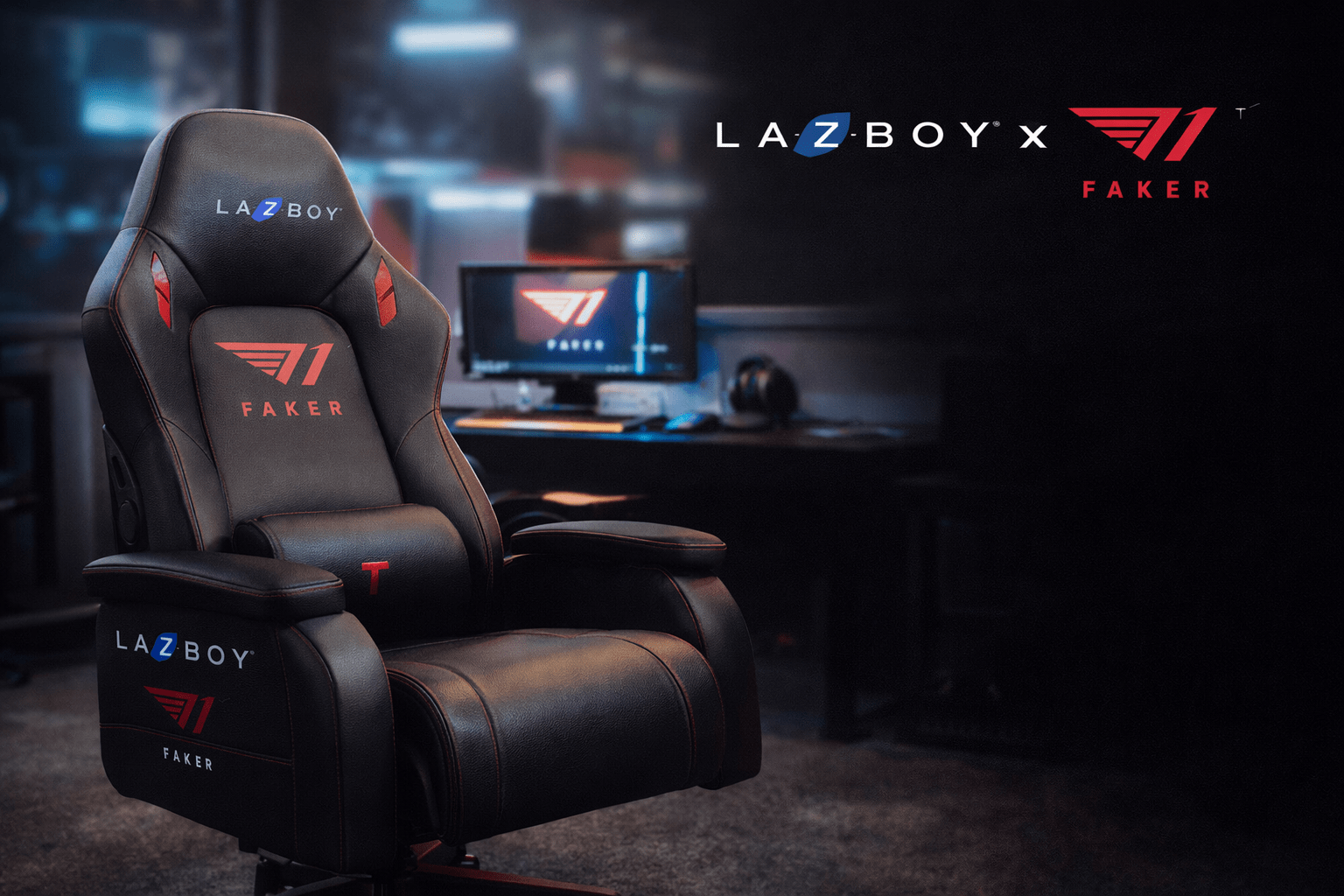
For this owned media component, I developed a SWOT analysis of La-Z-Boy as an overall brand rather than focusing only on the fabricated gaming-chair launch. This SWOT analysis follows the Strategic Integrated Planning model by assessing La-Z-Boy’s internal strengths and weaknesses alongside external opportunities and threats, then translating those findings into actionable recommendations. Rather than treating SWOT as a simple list, this approach connects business realities to practical planning, helping identify how La-Z-Boy can preserve the trust, comfort and craftsmanship associated with its heritage while expanding relevance among younger consumers and emerging lifestyle seating categories. The purpose of this analysis is to identify the company’s strongest brand assets, recognize the limitations that may affect future growth, and turn those findings into strategic recommendations for long-term business relevance.
SWOT
Framing Statement
La-Z-Boy’s central strategic challenge is how to preserve the trust, comfort and craftsmanship associated with its heritage while expanding relevance among younger consumers and emerging lifestyle seating categories.
1. Strong heritage and brand recognition
La-Z-Boy has nearly 100 years of brand history, which gives it a high level of trust and familiarity in the furniture category. This is a true strategic strength because heritage can support both credibility and differentiation, especially in a category where consumers often want confidence before making large purchases. The brand’s long-standing association with comfort and quality helps it stand apart from trend-driven or short-cycle furniture competitors.
2. Clear equity in comfort, quality and craftsmanship
Comfort, quality and craftsmanship are not just descriptive words for La-Z-Boy. They are core brand assets that shape how the company is perceived in the market. This matters because a strong furniture brand needs a value proposition that goes beyond appearance or price. La-Z-Boy’s established equity in long-term comfort gives it a meaningful advantage in both traditional furniture and adjacent seating categories.
3. Vertically integrated business model
La-Z-Boy manages retail, manufacturing, design, distribution and after-service care as an end-to-end enterprise. This is significant because vertical integration gives the company more control over product quality, customer experience and operational consistency. It also provides stronger alignment between brand promise and actual delivery, which can be especially valuable when entering new categories or launching new products.
4. Expertise in high-use home seating
La-Z-Boy’s products are designed for real, repeated use in the home. That gives the company an understanding of comfort over time, not just at the point of purchase. This is strategically important because consumers increasingly want products that fit the rhythms of everyday life, whether that means relaxing, working, studying or spending long hours in one place.
1. Older-skewing brand perception
One of La-Z-Boy’s biggest challenges is that younger consumers may associate the brand primarily with traditional home furniture or older generations. This is more than a neutral perception issue. It is a strategic weakness because it can limit the brand’s cultural relevance and reduce its ability to attract new consumer segments, especially in fast-moving lifestyle categories.
2. Limited natural connection to youth and gaming culture
Although La-Z-Boy has strong credibility in comfort, it does not yet have the same built-in relevance in gaming, creator or youth-driven setup culture. This matters because younger audiences tend to respond quickly to authenticity gaps. If a brand enters a new cultural space without a clear reason to belong there, the effort may be seen as forced rather than innovative.
3. Premium positioning may raise price barriers
La-Z-Boy’s reputation for quality can be a strength, but it can also create a weakness when targeting younger consumers with tighter budgets. Furniture is a high-consideration purchase, and Gen Z consumers are often selective about where they invest their money. If pricing is perceived as too high without a clear emotional or functional reason, younger buyers may turn to lower-cost alternatives.
4. Risk of being perceived as traditional rather than innovative
A heritage brand can sometimes struggle to communicate newness. In La-Z-Boy’s case, that means product innovation or category expansion may not immediately feel believable to consumers who primarily associate the company with legacy home seating. This perception can slow momentum even when the business itself is capable of evolving.
1. Expansion into performance seating and setup culture
Gaming and setup culture have created a broader market for high-use, high-visibility seating. This is a strong opportunity because La-Z-Boy already has expertise in comfort and long-duration seating. The company does not need to invent a completely new value proposition. It can extend an existing one into a new environment.
2. Reaching younger audiences through lifestyle repositioning
There is an opportunity for La-Z-Boy to reposition itself as a modern comfort brand for digital-first consumers, not only as a traditional home-furniture company. This aligns well with current lifestyle changes, where bedrooms, desks and personal spaces now serve as places for work, gaming, content creation and social connection.
3. Building ESG credibility through durability and longevity
La-Z-Boy’s strengths in craftsmanship and quality create a natural opportunity to speak more credibly about sustainability. In furniture, durability can be one of the most practical forms of environmental responsibility. This gives the company a meaningful way to connect brand value with corporate impact.
4. Strategic partnerships that accelerate cultural relevance
Collaborations with esports talent, creators or younger lifestyle communities can help La-Z-Boy bridge the gap between heritage and relevance. The right partnerships can create cultural entry points that feel more authentic and more visible than traditional advertising alone.
1. Strong competition in gaming and lifestyle seating
If La-Z-Boy moves into newer seating categories, it will face brands that already own attention in those spaces. Many competitors are faster, more visually aggressive and more naturally associated with gaming culture. This creates a threat because consumer attention is already crowded and brand switching is common.
2. Audience backlash if new efforts feel inauthentic
Younger consumers are highly responsive to tone, authenticity and cultural fit. If La-Z-Boy’s attempt to modernize is seen as performative or disconnected from the brand’s actual strengths, it could damage the campaign and the broader repositioning effort.
3. Economic pressure on discretionary furniture spending
Furniture purchases are often delayed during periods of financial pressure, especially among younger audiences. Premium or custom furniture can become harder to justify when consumers are managing rising living costs, housing instability or broader economic uncertainty.
4. Fast-changing youth trends and platform behavior
Consumer behavior among younger audiences evolves quickly, especially in digital spaces. A strategy that feels timely at launch can become outdated quickly if it is not supported by ongoing content, partnerships and product relevance. This makes long-term consistency just as important as a strong initial campaign.
Strategic Insights
La-Z-Boy’s greatest strategic advantage is that it already owns a clear and differentiated position in comfort, quality and craftsmanship. Those strengths are not generic brand traits; they are meaningful business assets that can support long-term growth if the company uses them in the right way. At the same time, the brand faces a real perception challenge. Younger consumers may respect the company’s legacy, but they may not yet see it as relevant to their own lifestyles, especially in cultural spaces shaped by gaming, creators and digital identity.
The most important implication of this SWOT analysis is that La-Z-Boy should not try to compete by abandoning its heritage. Instead, it should translate that heritage into newer, higher-growth contexts where comfort, endurance and everyday use matter. The brand’s path forward is not to imitate trend-driven competitors, but to make comfort feel contemporary, visible and strategically valuable to a younger audience.
This also means La-Z-Boy has an opportunity to unite brand storytelling, product innovation and corporate reputation under one clearer message: well-made comfort still matters, and it matters in more places than the traditional living room. If the company can modernize perception while staying rooted in credibility, it will be better positioned to expand relevance without weakening brand trust.
Strategic Recommendations
Rationale
- Addresses the weakness of older-skewing brand perception
- Responds to the opportunity to reposition La-Z-Boy for digital-first lifestyles
- Ensures the gaming-chair concept functions as a broader brand entry point rather than a one-time stunt
- Helps the company create longer-term relevance with younger consumers
Success Metrics
- Increase in brand engagement among ages 18–34
- Growth in social followers from younger audience segments
- Lift in website traffic to youth-focused campaign pages
- Improvement in brand perception around “modern,” “relevant” and “innovative”
Rationale
- Builds directly on La-Z-Boy’s strongest existing equity: comfort and quality
- Differentiates the company from competitors that rely mainly on trend aesthetics
- Connects brand heritage to new-use environments such as gaming, streaming and creator setups
- Strengthens the company’s right to enter adjacent categories without losing authenticity
Success Metrics
- Message association with both “comfort” and “performance”
- Ad recall and campaign awareness scores
- Click-through rate on campaign media
- Conversion or sign-up rates tied to new seating launches
Rationale
- Responds to the weakness of limited natural relevance in youth and gaming culture
- Helps reduce the threat of audience skepticism or backlash
- Uses partnership as a credibility tool, not just a visibility tool
- Gives La-Z-Boy more culturally fluent ways to participate in younger lifestyle spaces
Success Metrics
- Creator content engagement rates
- Referral traffic from partner channels
- Earned social mentions and positive sentiment
- Growth in campaign impressions among gaming and creator audiences
Rationale
- Connects strengths in craftsmanship and quality to an ESG-related opportunity
- Supports a more credible sustainability narrative centered on longevity
- Reinforces that La-Z-Boy’s business value and brand purpose can work together
- Helps the company expand thought leadership beyond product marketing
Success Metrics
- Increase in positive media mentions related to sustainability or durability
- Traffic to corporate responsibility or impact content
- Improvements in trust and reputation indicators
- Higher engagement with earned media and leadership content